

Practical Technology
FORJA is a technology lab focused on building and operating software, infrastructure, and experimental systems across modern computing environments.FORJA exists to explore, develop, and deploy practical technology solutions across areas such as software engineering, artificial intelligence, distributed systems, and digital infrastructure.
Independent Technology Lab
FORJA operates as a flexible technology environment where ideas can be explored, systems can be built, and new approaches to computing can be tested.FORJA develops frontier technologies, participate in research programs, or collaborate with partners where appropriate. The structure allows work to remain small, efficient, and adaptable while still supporting serious technical experimentation.
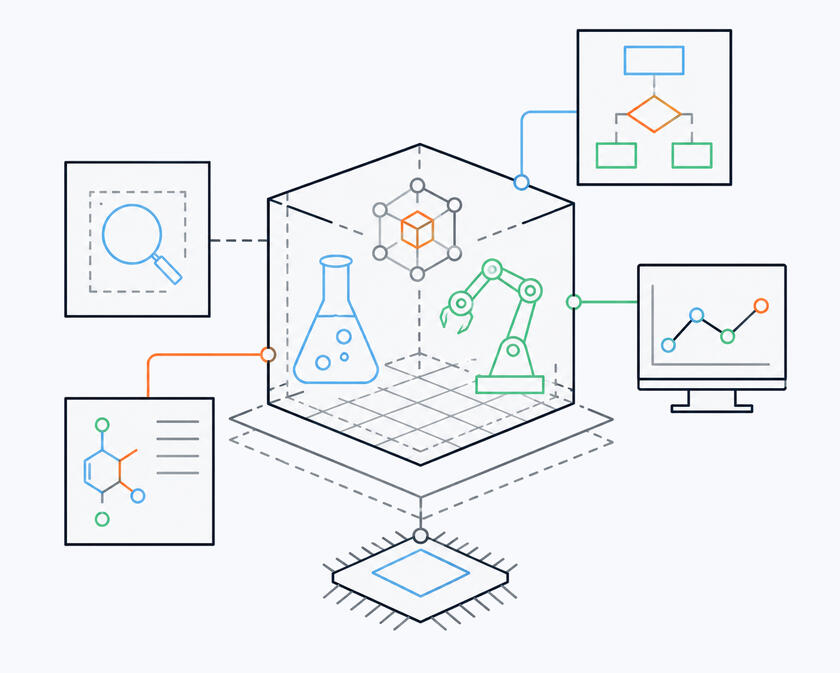
Technology Development
FORJA develops and operates software systems, automation pipelines, and infrastructure designed to support modern computing workloads.Work may include experimentation, research, and practical implementation across software, cloud, and distributed technologies.
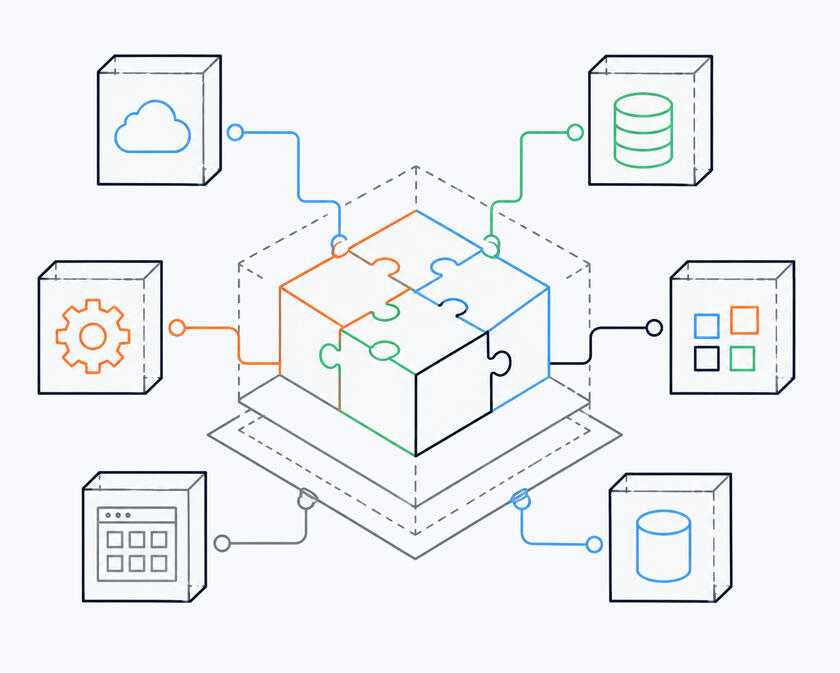
Systems & Integrations
FORJA focuses on integrating modern tools and platforms into cohesive systems.This includes combining open-source software, cloud services, automation platforms, and emerging technologies into practical environments that can support real-world use.
Manifesto
Human civilization is entering a period of structural technological transition.Artificial intelligence, autonomous systems, digital identity, programmable finance, advanced robotics, and new computational infrastructure are reshaping how institutions operate and how individuals interact with the world.These shifts are not isolated innovations. They are systemic transformations affecting governance, economics, infrastructure, and human capability.The coming decades will be defined not merely by the invention of powerful technologies, but by how responsibly and effectively they are built, governed, and deployed.FORJA exists to participate in that responsibility.
Vision
We believe the next era of civilization will be defined by intelligent infrastructure.Systems that can reason, verify, coordinate, and adapt in real time will increasingly mediate commerce, governance, knowledge, and physical industry. These systems will shape how societies operate and how opportunity is distributed.In such a world, three foundations become essential:- Trusted digital identity
- Verifiable information
- Resilient technological infrastructureWithout these foundations, intelligence becomes unreliable, automation becomes dangerous, and scale becomes fragile.FORJA is committed to helping build the systems that ensure this new technological era remains secure, transparent, and beneficial to humanity.
Philosophy
FORJA develops technologies and systems that strengthen the infrastructure of the emerging digital civilization.Our work focuses on areas where technological capability intersects with institutional trust:- artificial intelligence systems
- autonomous and robotic technologies
- digital identity and verification infrastructure
- distributed and programmable financial systems
- resilient data and compute architectures
- human-AI collaboration frameworksThese domains represent the structural layers of the next technological economy.We build systems that allow institutions and individuals to operate within this new environment safely, intelligently, and transparently.
Role
Technology alone does not create progress.True progress occurs when technological capability is combined with:- responsible governance
- ethical development
- long-term stewardship
- human empowerment
FORJA approaches innovation through systems thinking.Every technology interacts with legal frameworks, human behavior, economic incentives, and cultural structures. Ignoring these interactions produces fragile systems and unintended consequences.We design technologies with the understanding that they must operate within complex human systems, not outside them.
Human Empowerment
The purpose of advanced technology is not to replace human potential but to expand it.Artificial intelligence and automation will increasingly perform routine cognitive and physical tasks. This transition can either diminish human agency or amplify it.FORJA is committed to the latter.We develop technologies that:- augment human intelligence
- expand access to knowledge and opportunity
- enable individuals and organizations to operate more effectively
- create new capabilities rather than simply replacing existing onesHuman progress has always been driven by tools that extend our reach.The technologies of this century must do the same.
Digital Trust
The digital world requires new forms of trust.Identity, authenticity, and provenance can no longer rely on traditional mechanisms alone. In a world of autonomous systems and synthetic media, verifiable truth becomes infrastructure.FORJA supports the development of technologies that enable:- secure digital identity
- verifiable credentials
- information provenance
- transparent system governanceThese mechanisms form the basis for trustworthy digital interaction in an AI-mediated world.
Responsibility
Technological power carries responsibility.The systems being built today will influence economies, governments, and societies for generations. Developers of such systems must therefore operate with discipline and foresight.FORJA adheres to principles that guide responsible technological advancement:- integrity in all relationships and operations
- transparency in system design and governance
- commitment to safety, security, and resilience
- respect for the societal impact of emerging technologiesInnovation without responsibility is instability.Progress requires both.
Legacy
Technology is not merely about solving present problems. It is about shaping the conditions under which future generations will live.FORJA operates with a long-term perspective.The systems we build, the institutions we support, and the knowledge we develop are intended to contribute to a technological ecosystem that remains beneficial and sustainable over decades.Our goal is not simply to create products or companies.Our goal is to contribute to a durable technological foundation for the future.
Conclusion
The world is entering a new technological epoch.Artificial intelligence, autonomous systems, and programmable infrastructure will transform the structure of society. These transformations will create extraordinary opportunities, but they will also require careful design, governance, and stewardship.FORJA exists to participate in building that future.Through responsible innovation, systems thinking, and a commitment to human empowerment, we aim to contribute to technologies that strengthen civilization rather than destabilize it.The future will not be defined solely by the power of our technologies. It will be defined by the principles with which we build them.
Notable Involvements
FORJA provides advanced technology development and systems engineering across modern computing environments, focusing on artificial intelligence, distributed systems, automation infrastructure, and emerging technologies.
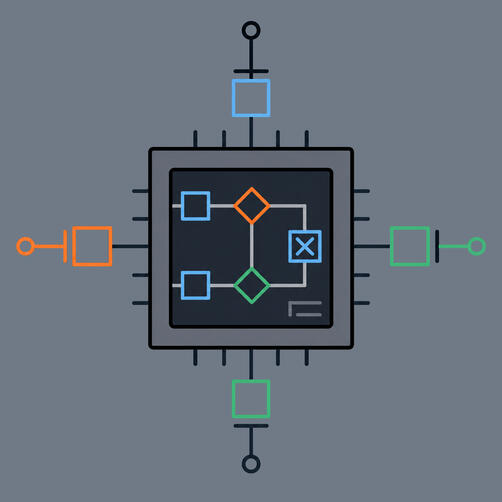
Quantum Computing Systems
Quantum Computing Platforms & Simulation Environments — Development of systems enabling quantum algorithms and models to run on classical infrastructure while maintaining compatibility with emerging quantum hardware.Quantum Software Infrastructure & Operating Environments — Engineering of operating systems, server architectures, and developer frameworks designed to support enterprise-scale quantum computing applications.Quantum Algorithms & Hybrid Quantum-Classical Models — Development and optimization of quantum circuits, gates, and algorithms, including hybrid quantum-classical approaches for practical near-term systems.
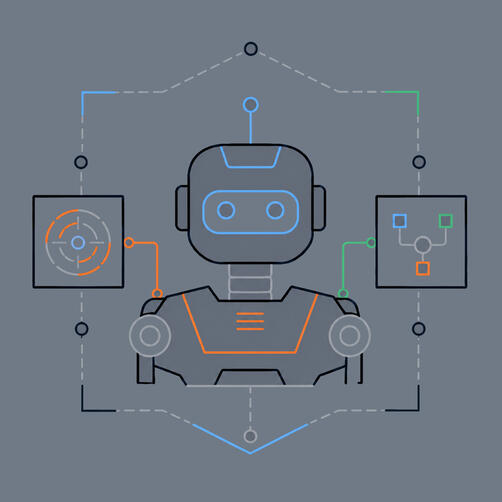
Autonomous Systems, Robotics & IoT
Autonomous Systems & Robotics Software — Engineering of software platforms enabling autonomous devices, robotics control systems, and sensor-integrated automation technologies.Human–Machine Sensory Interaction Systems — Exploration of machine systems that interpret physical signals such as motion, vibration, and tactile input to enable natural interaction between humans and autonomous systems.Internet of Things (IoT) Platforms — Integration of connected devices, sensor networks, and data collection systems to support real-time monitoring, automation, and analytics.Sensor Fusion & Environmental Mapping Systems — Integration of multi-sensor data streams for spatial awareness, localization, and environmental mapping in autonomous or robotic platforms.Unmanned Systems & Robotic Control Platforms — Development of control architectures, sensor processing frameworks, and software infrastructure supporting unmanned and robotic systems.Universal Machine Communication Protocols — Design of hardware-agnostic communication layers enabling heterogeneous devices to exchange information across diverse networks and signaling modalities.
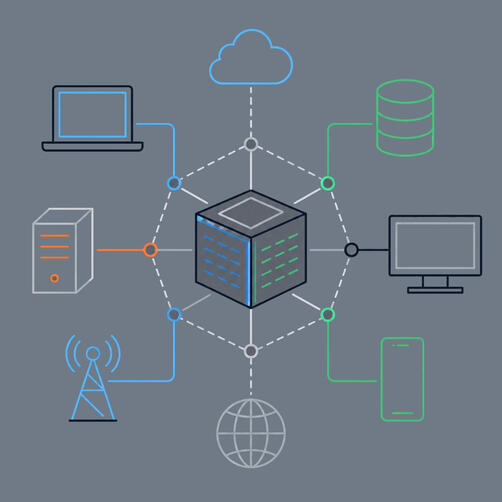
Infrastructure & Systems Engineering
Autonomous Organization Infrastructure — Engineering of technology platforms designed to automate operational workflows and decision processes within modern digital organizations.Cloud & Automation Infrastructure — Deployment of automated infrastructure environments integrating cloud platforms, containerized workloads, and orchestration systems.Distributed & Decentralized Computing Architectures — Development of scalable distributed systems and decentralized infrastructure supporting resilient computing environments and data-driven platforms.Enterprise Software Architecture — Design and implementation of large-scale software systems, distributed services, and infrastructure platforms supporting enterprise operations.Technology Systems Integration — Integration of heterogeneous technologies including AI platforms, hardware systems, automation pipelines, and enterprise software environments.
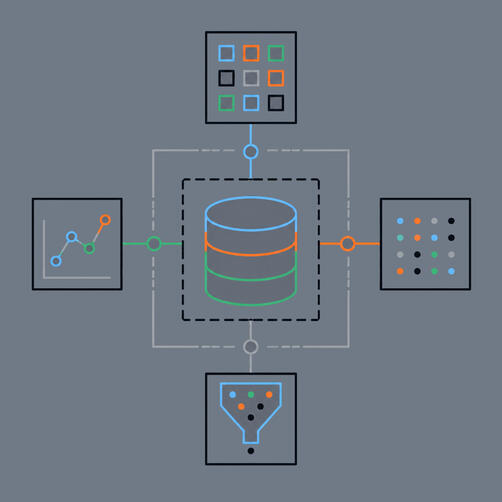
Data Systems & Computational Methods
Content Fingerprinting & Data Integrity Systems — Development of fingerprinting methods for content authentication, watermarking, and integrity verification across digital media and structured data.Perceptual Hashing & Multimedia Similarity Systems — Development of perceptual hashing techniques for image/audio similarity, deduplication, indexing, and efficient content comparison.Advanced Computing Research & Prototyping — Exploration and prototyping of emerging technologies including advanced AI architectures, distributed computing models, and experimental computing systems.Data Compression & Efficient Representation Techniques — Research into computational methods that significantly reduce dataset size while maintaining information fidelity for rapid processing and transmission.

Financial Intelligence & Market Systems
Financial Data Infrastructure & Market Intelligence Systems — Development of platforms that integrate public markets, private markets, and digital asset data into unified analytical and operational environments.Capital Markets Automation Platforms — Engineering of systems that embed intelligence directly into investment analysis, compliance workflows, and financial execution infrastructure.
Artificial Intelligence & Machine Learning
Machine Learning Methods & Algorithm Engineering — Implementation and optimization of supervised, unsupervised, and reinforcement learning methods to support practical model selection and deployment.Neural Network Training & Optimization Systems — Engineering of model training dynamics and performance optimization techniques across deep learning architectures.AI Infrastructure & Data Systems — Development of platforms supporting AI workloads, machine learning pipelines, and large-scale data processing environments.AI Knowledge Systems & Structured Information Processing — Design of systems that transform unstructured data into structured representations usable by machine learning models and analytical platforms.Artificial Intelligence & Machine Learning Systems — Design, development, and deployment of AI-driven systems including predictive models, natural language processing, and applied machine learning for operational and analytical environments.Agentic AI & Multi-Agent Systems — Design and orchestration of large-scale AI agent ecosystems that collaborate with humans and each other to automate complex analytical, operational, and decision-making workflows.Applied AI Education & Technical Knowledge Development — Creation of technical materials and frameworks intended to support learning, experimentation, and practical implementation of artificial intelligence systems.Edge AI & Embedded Intelligence Platforms — Development of computing systems optimized for low-latency processing and decision-making at the device or network edge.Experimental AI Architectures & Thought-Experiment Prototyping — Conceptualization and prototyping of emerging AI architectures exploring future computing paradigms and system designs.Machine Perception Systems — Development of systems enabling machines to interpret sensory input including audio, environmental signals, and structured data streams.Natural Language Processing & Computational Linguistics — Development of language-processing systems, semantic analysis tools, and computational frameworks for human-language data.Computer Vision Systems — Development of visual intelligence systems for image recognition, object detection, and segmentation across real-world applications.
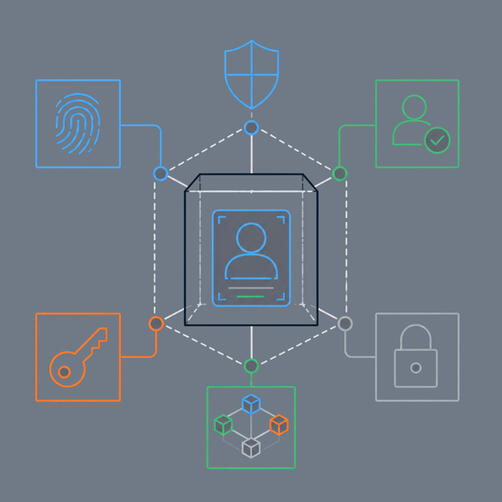
Digital Identity & Trust Infrastructure
Decentralized Identity Systems — Development of identity frameworks that reduce reliance on centralized authorities through distributed identity verification models.Digital Identity Architecture — Design of systems that establish, manage, and verify digital identities across distributed computing environments.Identity-Aware Infrastructure & Access Control — Integration of identity frameworks into software systems to support authentication, authorization, and system access governance.Identity Data Models & Schema Design — Development of structured data models used to represent identity attributes, credentials, and verification states across systems.Identity Federation & Interoperability — Design of frameworks allowing identities to be recognized and validated across multiple platforms or organizations.Identity Verification & Credential Validation — Implementation of mechanisms for validating identity claims, credentials, and digital attestations.Identity-Linked Data Systems — Integration of identity frameworks with operational systems to associate assets, entities, and events with verified identities.Privacy-Preserving Identity Systems — Implementation of techniques that enable identity verification while minimizing exposure of sensitive personal information.Secure Identity Storage & Retrieval Systems — Development of systems for storing identity records and enabling controlled access to identity data.Self-Sovereign Identity (SSI) Infrastructure — Engineering of systems that allow individuals or organizations to control and manage their own digital identity credentials.Privacy Engineering & Data Minimization Architectures — Design of systems that reduce identity exposure through segmentation, minimization, and compartmentalization of personal and operational data.Identity Segmentation & Exposure Reduction Systems — Development of identity architectures that isolate digital footprints to minimize correlation, linkage, and systemic breach impact.
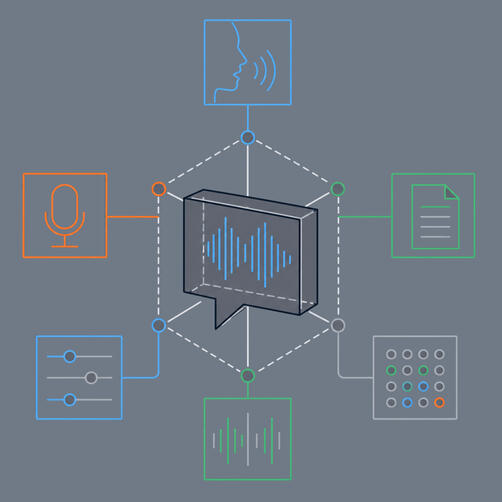
Speech, Language & Computational Linguistics
Speech Recognition Systems — Development and optimization of speech-to-text systems including feature extraction, acoustic modeling, and language modeling.Computational Speech & Phonetic Data Frameworks — Development of structured frameworks for analyzing spoken language using phonetic hierarchies, phonemes, and prosodic structures for computational processing.Speech Processing & Phonetic Data Modeling — Research and development of structured frameworks for computational representation and processing of spoken language.
Public & Private Sectors
FORJA maintains the flexibility to engage with both private organizations and government programs when appropriate.FORJA focuses on technical capability, practical systems, and responsible technology development.
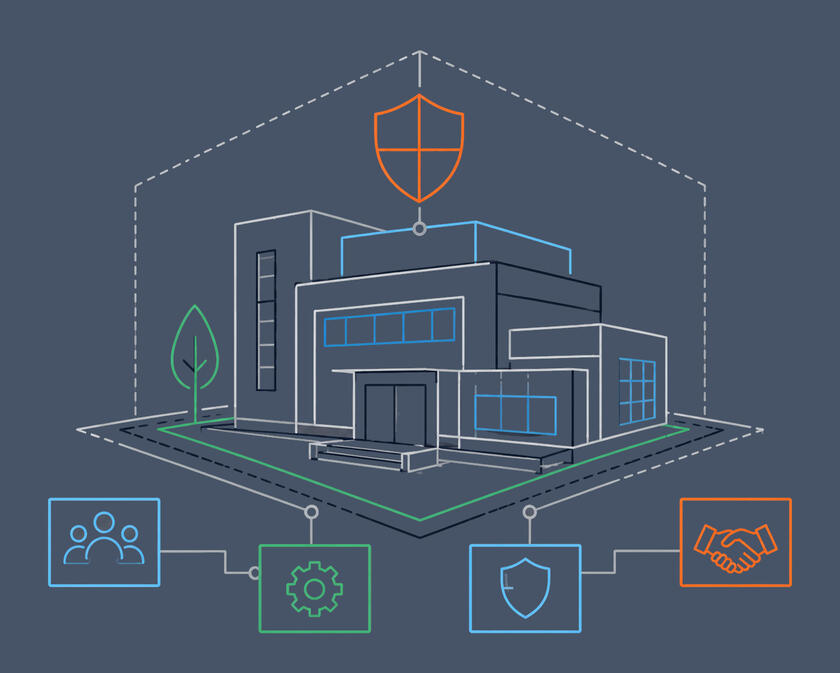
Private Research & Development
FORJA collaborates with private organizations, technology vendors, and innovation programs.This can include experimental systems, infrastructure design, automation tooling, and emerging technology exploration.
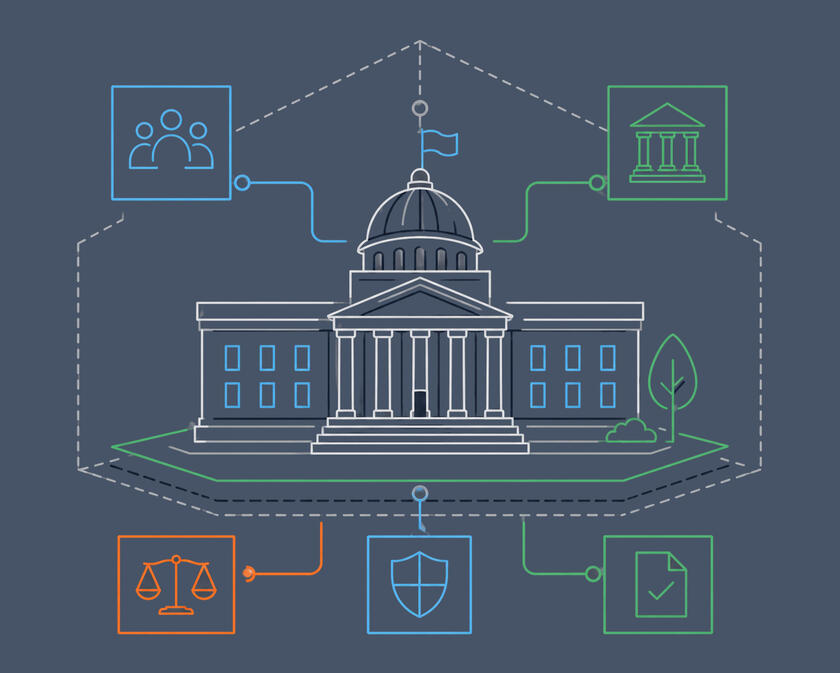
Public Research & Development
FORJA participates in public sector initiatives involving technology research, infrastructure development, and innovation programs.FORJA supports responsible technology use, secure system design, and long-term infrastructure thinking.
Contact FORJA
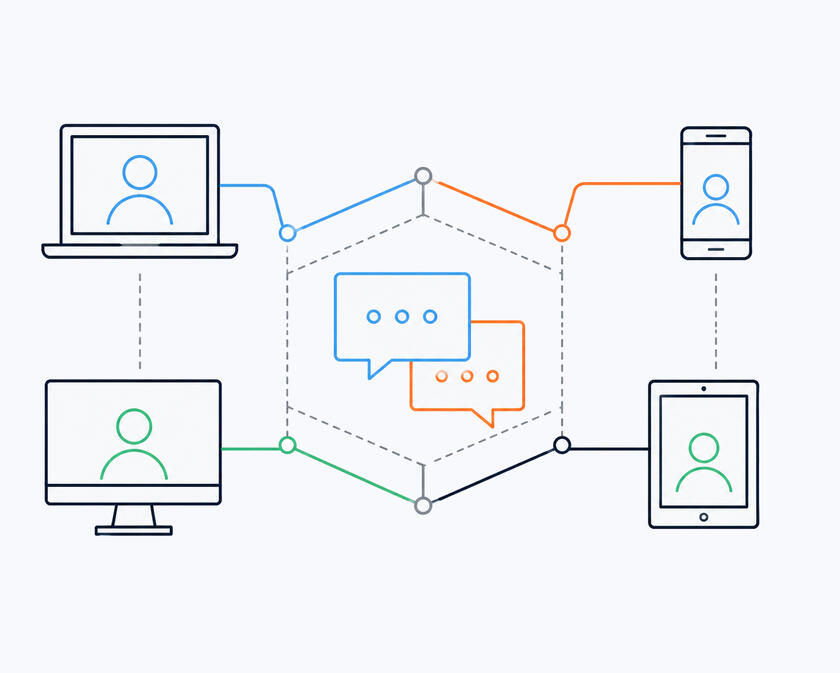
For general inquiries, partnership opportunities, or program participation requests, please use the contact form below. Messages are reviewed periodically and responses will be provided when appropriate.
© 2026 FORJA LLC. All rights reserved. Built and operated by FORJA LLC.
All content on this website, including text, graphics, logos, icons, images, and other materials, is the property of FORJA LLC unless otherwise noted and is protected by applicable copyright and intellectual property laws. FORJA™, the FORJA name, and any associated logos or marks appearing on this website may be trademarks or service marks of FORJA LLC. Other product names, logos, brands, and trademarks mentioned on this site are the property of their respective owners and are used for identification purposes only. Their inclusion does not imply affiliation with or endorsement by FORJA LLC.The information provided on this website is for general informational purposes only. While reasonable efforts are made to keep information accurate and current, FORJA LLC makes no representations or warranties of any kind, express or implied, regarding the completeness, accuracy, reliability, suitability, or availability of the content, services, or materials contained on this site. Any reliance you place on such information is strictly at your own risk.Under no circumstances shall FORJA LLC, its owners, affiliates, contractors, partners, or representatives be liable for any direct, indirect, incidental, consequential, special, or punitive damages arising out of or related to the use of, inability to use, or reliance upon information, services, or materials presented on this website.This website may reference or link to third-party services, tools, platforms, or organizations. Such references are provided solely for informational purposes and do not constitute endorsement, partnership, or recommendation unless explicitly stated. FORJA LLC has no control over the nature, content, security, or availability of third-party services and assumes no responsibility or liability for their use.Visitors who choose to submit information through contact forms, email, subscription forms, or other communication channels acknowledge that any information transmitted may not be secure. Users are responsible for ensuring they do not submit confidential, proprietary, or sensitive information unless appropriate safeguards have been established. FORJA LLC shall not be responsible or liable for the disclosure, loss, misuse, or unauthorized access of information voluntarily submitted through this website.Subscription to newsletters, updates, or other communications from FORJA LLC is voluntary. Any information, commentary, insights, or updates provided through such communications are intended for informational purposes only and should not be interpreted as professional, financial, legal, investment, or technical advice. Recipients are solely responsible for how they interpret or act upon such information.The operation of this website, its content, and any services described may change, be modified, or be discontinued at any time without notice. FORJA LLC makes no guarantees regarding uninterrupted availability, security, or error-free operation of the website.By accessing or using this website, you agree that FORJA LLC shall not be held liable for any damages, losses, or claims arising from the use of the site, the information presented, or interactions initiated through the site.
All rights not expressly granted herein are reserved.